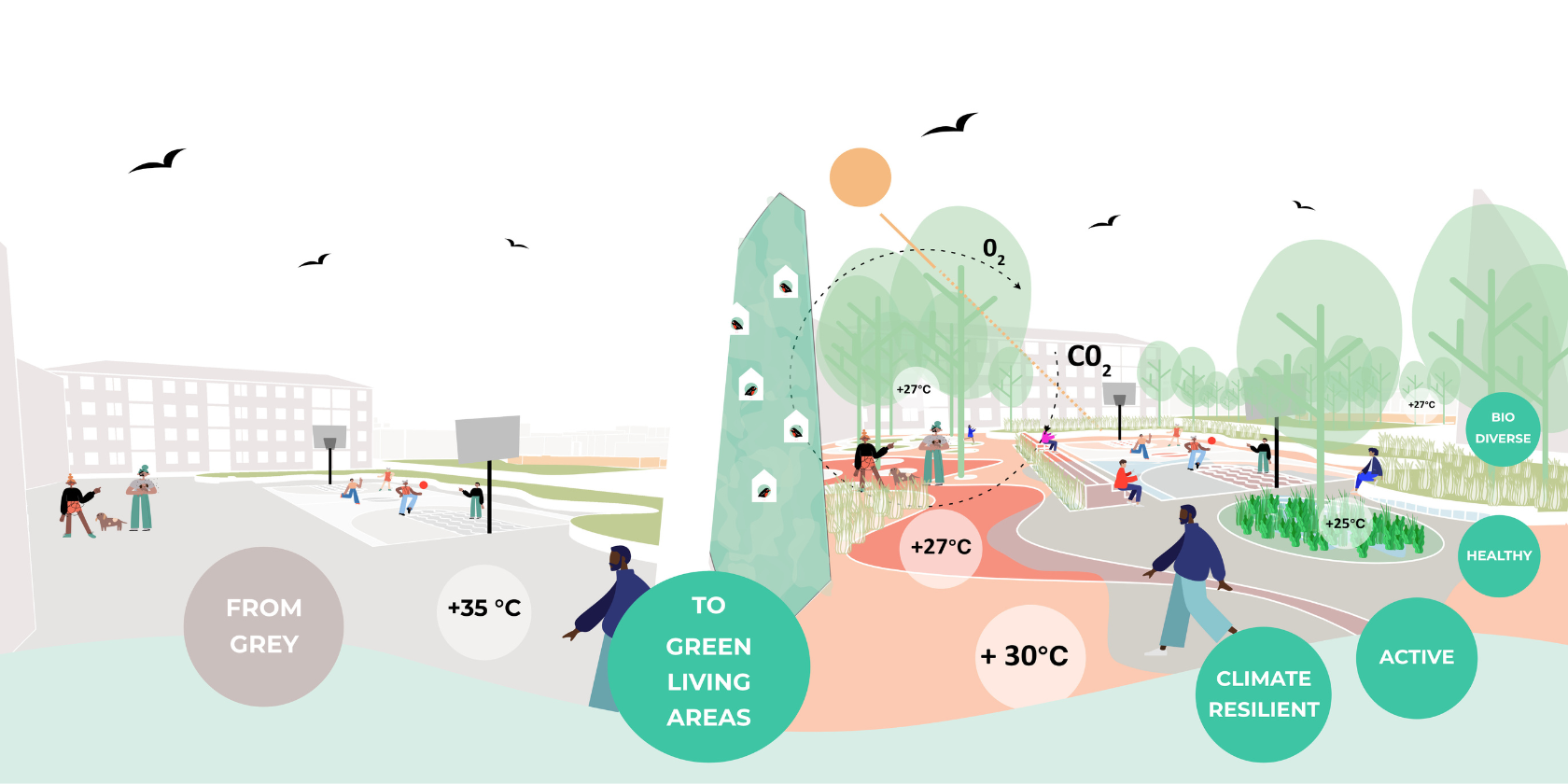
RE-ACT Schools: Transformation of Schoolyards to Combat Climate Change Effects and Promote Healthy and Active Environments
Download the full cover imageRE-ACT Schools is an Interreg Euro-MED project dedicated to transforming schoolyards into climate-resilient green spaces that enhance well-being and quality of life in Mediterranean cities. The project addresses climate adaptation and health promotion through six pilot actions.
The partnership brings together two research institutes, five public authorities, and one regional development agency across six Mediterranean countries.
The project aims to develop the RE-ACT Schools Toolkit, an operational tool to support Public Authorities in climate-regeneration processes for schoolyards.
The project is co-funded by the Interreg Euro-MED Programme.

Timeframe: 04/2025 - 12/2027 (33 months)
Budget: € 2.488.190,00
Interreg funds: € 1.990.552,00
Download the poster RE-ACT Schools
Visit the Re-Act Schools website
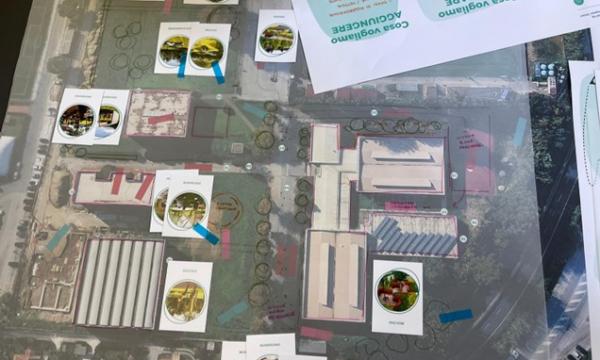
Completation of italian co-design workshop at IIS Galileo Galilei in Viareggio, Lucca. On October 20th 2025, students and professors of High School IIS Galilei in Viareggio (Lucca, Italy) have been leading the co-design workshop “The school courtyard we want”, an engaging laboratory where students have been asked what they like about the school courtyards, what they would change and which spaces they live the most.
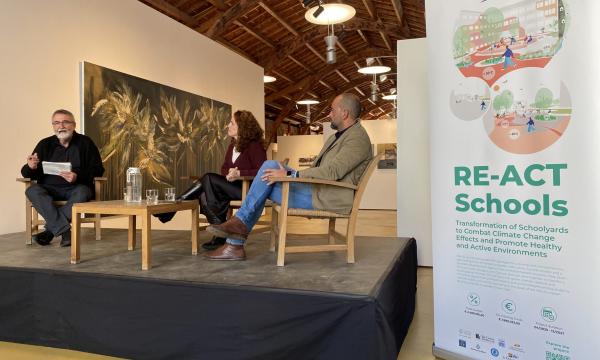
Highlights from the 2nd ITW in Matarò. Within the framework of the RE-ACT School Project – “Transformation of Schoolyards to Combat Climate Change Effects and Promote Healthy and Active Environments”, the city of Mataró hosts the 2nd Interregional Thematic Workshop (ITW). The event combined a project Steering Committee, a public thematic workshop on urban heat mitigation, and a RE-ACT Schools Conference focusing on nature-based solutions and healthier school environments.
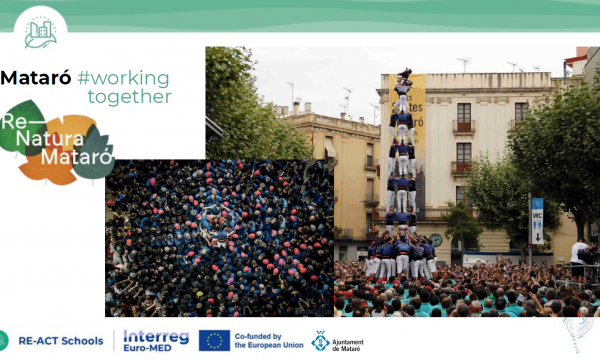
Highlights from the 1st ITW in Lucca. The 1st Interregional Thematic Workshop in Lucca concluded successfully in June 2025, bringing together the RE-ACT Schools consortium, key stakeholders, and members of the public.
.png)
Welcome to RE-ACT Schools Project. The escalating effects of climate change pose significant threats to cities; in particular, heavy rainfall, flooding, rising extreme temperatures, and urban heat island effects significantly impact the urban environment, life quality, and health in the Mediterranean.
News News Green Living Areas Through Your Lens: Join the Green Living Areas Mission Photo Awards 2026 . The Interreg Euro-MED Green Living Areas Mission invites citizens and project partners from across the Mediterranean to share inspiring photographs showcasing greener, healthier and more resilient communities through the Green Living Areas Through Your Lens – Photo Awards 2026.
In breve




Video
Discover the presentation video of RE-ACT Schools, a European Interreg Euro-MED project coordinated by the Department of Architecture (DIDA) of the University of Florence.